Discover Jaipur’s grand forts, royal heritage, vibrant bazaars, and rich traditions during an unforgettable three-day journey from Delhi.
Travel Itinerary
Day 1: Begin your journey from Delhi to Jaipur. After reaching the city and checking into your hotel, visit the City Palace, Jantar Mantar, and Hawa Mahal. Later in the evening, wander through the bustling bazaars of the Old City.
Day 2: Head to Amber Fort, Jaigarh Fort, and the scenic Jal Mahal. Afterward, treat yourself to authentic Rajasthani dishes and browse shops offering handicrafts, textiles, and sparkling jewelry.
Day 3: Spend your morning at Nahargarh Fort or Albert Hall Museum. Then, start your journey back to Delhi with wonderful memories.
Best Time to Visit in 2025–2026
October through March offers the most pleasant weather for exploring Jaipur. Mornings and evenings during winter months can feel quite cool. Meanwhile, April through June brings intense heat that makes outdoor activities challenging.
The monsoon arrives between July and September, bringing occasional showers. Therefore, keeping your outdoor plans flexible during this period helps. Additionally, festival dates and attraction timings change yearly, so checking them before your trip is wise.
Local Highlights
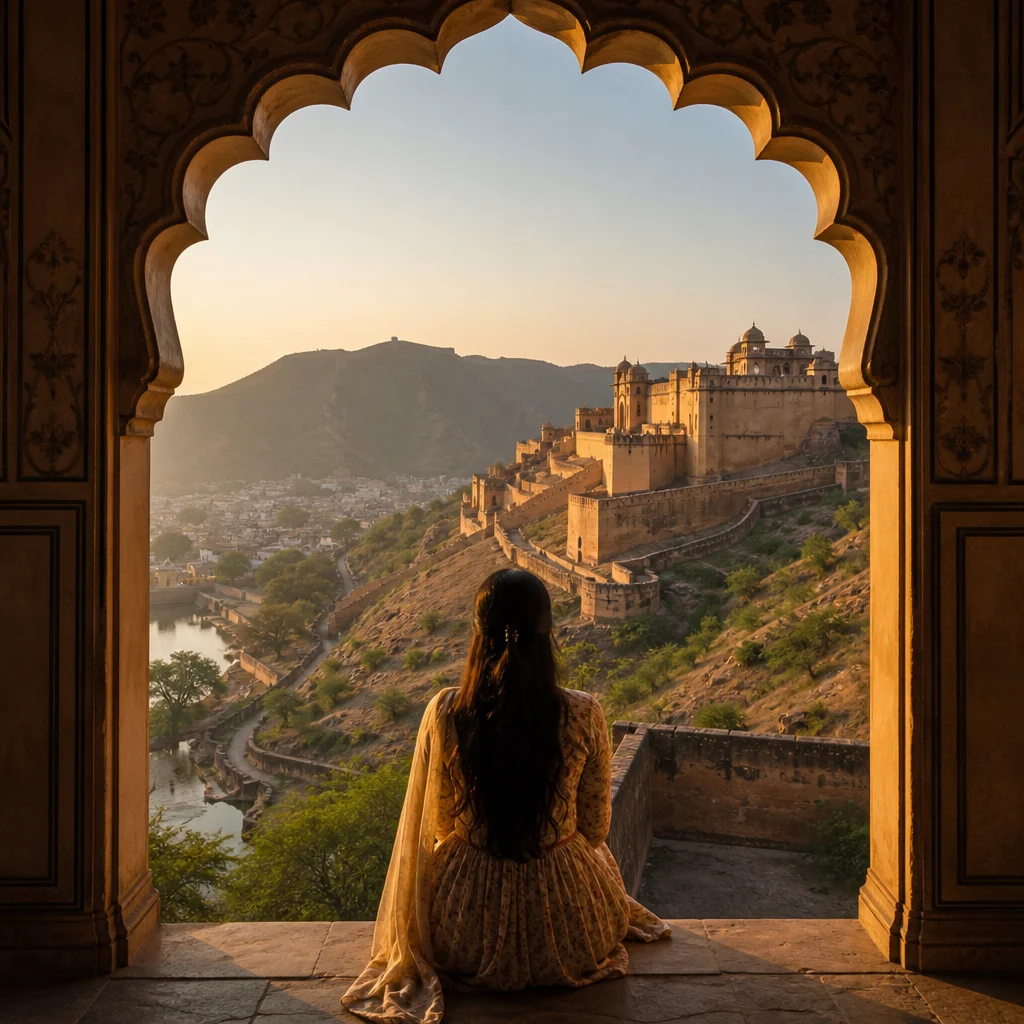
Amber Fort with its beautiful hilltop location
Hawa Mahal and the charming streets of the Old City
City Palace and the astronomical Jantar Mantar
Authentic Rajasthani cuisine and cultural performances
Colorful markets featuring block-printed fabrics, pottery, jewelry, and handmade crafts
Transport Options
Getting from Delhi to Jaipur is easy with several choices available. You can take a train, bus, private transfer, or rent a vehicle with a driver. A compact car with driver works well for couples or solo travelers.
For families or groups, an SUV or larger vehicle provides extra room for luggage and better comfort. Furthermore, having a car with driver makes visiting various forts and attractions across the city more convenient. If time is limited, consider booking a one-day sightseeing tour by car with driver instead.
Frequently Asked Questions
Which attractions are covered during the three-day Jaipur tour?
The tour covers City Palace, Jantar Mantar, Hawa Mahal, Amber Fort, Jaigarh Fort, Jal Mahal, and local markets around the city. On the final day, you can choose between Nahargarh Fort or Albert Hall Museum before heading back to Delhi.
When is the best time to travel from Delhi to Jaipur?
October through March provides ideal weather conditions for sightseeing. Winter can bring chilly mornings and evenings. In contrast, April through June gets very hot. The monsoon from July to September brings occasional rainfall.
What transport options are available between Delhi and Jaipur?
Travelers can choose trains, buses, private transfers, or rental vehicles for this route. Hiring a car with driver offers flexibility and convenience, especially for visiting multiple forts and attractions spread throughout Jaipur.
What can travelers buy in Jaipur’s markets?
Jaipur’s markets are famous for block-printed fabrics, beautiful textiles, handcrafted pottery, traditional jewelry, and unique handicrafts. The bazaars in the historic Old City remain particularly popular spots for finding authentic local treasures.
Why Jaipur is Famous in Rajasthan?
Jaipur stands out as Rajasthan’s capital and cultural hub. Moreover, it’s renowned for magnificent palaces like Hawa Mahal and Amber Fort. Additionally, the Pink City showcases vibrant bazaars, rich heritage, and royal architecture. Therefore, it attracts millions of tourists annually.
Where to Stay in Jaipur: Your Complete Accommodation Guide
Finding the right Jaipur Hotels Guide and place to stay in Jaipur can make your trip truly memorable. The Pink City offers everything from royal heritage hotels to budget-friendly guesthouses. This guide breaks down the best hotels in Jaipur by location and price range.
Best Neighborhoods to Stay in Jaipur
City Palace and Old City Area
Staying near the City Palace puts you right in the heart of Jaipur’s historic charm. You can walk to major attractions like Hawa Mahal and Jantar Mantar. The narrow streets buzz with local life, colorful markets, and authentic restaurants.
However, roads can be crowded and parking is limited. If you don’t mind the hustle and bustle, this area offers the most authentic experience.
C-Scheme and MI Road
This central business district combines convenience with comfort. You’ll find excellent shopping, restaurants, and easy access to both old and new Jaipur. The area is cleaner and less chaotic than the Old City.
Many mid-range and luxury hotels in Jaipur are located here. It’s perfect for first-time visitors who want modern amenities with good connectivity.
Bani Park
Budget travelers love Bani Park. This residential neighborhood offers great value accommodation without sacrificing location. You’re still close to major sites but pay much less than staying in tourist zones.
The area has plenty of local eateries and small shops. It’s safe, quiet, and gives you a glimpse into everyday Jaipur life.
Luxury Heritage Hotels
Rambagh Palace
Once home to the Maharaja of Jaipur, Rambagh Palace is the city’s most famous luxury hotel. The property features 78 rooms, sprawling gardens, and world-class dining. Room rates start around ₹35,000 per night.
Every corner tells a royal story. The palace offers spa treatments, vintage car rides, and impeccable service. It’s worth the splurge for a special occasion.
Samode Haveli
Located in the Old City, Samode Haveli is a 475-year-old mansion turned hotel. The hand-painted frescoes and traditional architecture transport you back in time. Rooms start from ₹12,000 per night.
The haveli has just 39 rooms, ensuring personalized attention. The courtyard pool and rooftop restaurant add to its charm. It’s among the best Jaipur heritage hotels for authentic experiences.
Alsisar Haveli
This 1890s mansion sits in a quieter part of the city. With traditional Rajasthani decor and modern comforts, it balances old and new perfectly. Rates range from ₹8,000 to ₹15,000 per night.
The property features beautiful courtyards, a pool, and cultural performances. It’s more affordable than other heritage properties while maintaining high standards.
Mid-Range Hotels (₹3,000 to ₹8,000 per night)
Umaid Mahal
This heritage property near C-Scheme offers excellent value. The 30 rooms blend traditional design with modern amenities. Breakfast is included, and the staff provides helpful local tips.
The central location makes sightseeing easy. The rooftop restaurant serves delicious Rajasthani food at reasonable prices.
Hotel Pearl Palace
A favorite among travelers, Pearl Palace combines comfort with character. The colorful rooms feature hand-painted artwork. The rooftop cafe is perfect for relaxing after sightseeing.
Located in Hari Kishan Somani Marg, it’s close to major attractions. The family-run hotel offers warm hospitality and free WiFi throughout.
Shahpura House
This boutique heritage hotel has only 22 rooms, ensuring intimate service. The peaceful garden and pool create a relaxing atmosphere. Rooms start around ₹6,000 per night.
The property organizes cooking classes and city tours. It’s ideal for travelers seeking a personal touch without luxury hotel prices.
Budget Hotels and Guesthouses (Under ₹3,000 per night)
Jaipur Jantar Hostel
Located in Bani Park, this hostel offers clean dorms and private rooms. Dorm beds start at just ₹400 per night. The common area encourages meeting fellow travelers.
The hostel provides free breakfast, WiFi, and travel assistance. It’s one of the top budget hotels Jaipur has for backpackers and solo travelers.
Karni Niwas
This family-run guesthouse in the Old City offers basic but comfortable rooms. Rates start from ₹1,500 per night. The rooftop terrace provides great city views.
The location is excellent for exploring on foot. Staff can arrange rickshaw tours and recommend local restaurants.
Zostel Jaipur
Part of India’s popular hostel chain, Zostel offers reliable budget accommodation. The property features dorms, private rooms, and a lively cafe. Beds start at ₹500 per night.
The hostel organizes group activities and pub crawls. It’s perfect for young travelers wanting to socialize.
Hotels Near City Palace
If you want to stay walking distance from City Palace, consider Hotel Meghniwas or Haveli Kalwara. Both offer mid-range pricing with heritage architecture. You’ll save time and transportation costs.
These hotels near City Palace let you explore early morning before crowds arrive. The narrow lanes around them are full of shops selling textiles, jewelry, and handicrafts.
Booking Tips for Jaipur Accommodation
Book heritage hotels at least two months in advance, especially during October to March. Budget places fill up quickly during festivals like Diwali and Holi.
Always check if breakfast is included. Many heritage properties offer complimentary meals that save money and time. Read recent reviews to ensure maintenance standards haven’t dropped.
Contact hotels directly for better rates than booking websites sometimes offer. Many smaller properties give discounts for longer stays or direct bookings.
This Jaipur accommodation guide covers options for every traveler. Whether you choose royal luxury or budget comfort, the Pink City has the perfect place for your stay.
Jaipur does not have one perfect season. It has several, and each one shows you a different city. I have stood at Amber Fort in January with cold fingers and a clear pink sky, and I have crossed the same courtyard in late May when the stone radiated heat like a tandoor. Both trips were good. They were just very different trips.
So, if you are trying to pin down the best time to visit Jaipur, this month-by-month guide covers weather, festivals, crowd levels and what it all means for your itinerary. Read it once, pick your window, then book with confidence.
The Short Answer
October to March is the best time to visit Jaipur. Days are warm and dry, evenings are cool, and sightseeing on foot is genuinely pleasant. November through February is the sweet spot within that window.
However, that is also peak season. Hotel rates climb, forts get busy by 10 am, and popular tours fill early. If you would rather trade comfort for space and lower prices, late September or early April both work surprisingly well.
Jaipur Weather by Month at a Glance
Here is a simple reference for Jaipur weather by month. Figures are typical averages, not guarantees, so always check a forecast a week before you fly.
Month
Typical Day / Night
Conditions
Crowds
January
22°C / 8°C
Crisp, sunny, occasional morning haze
High
February
26°C / 11°C
Warm days, cool nights, very dry
High
March
32°C / 16°C
Heat starts building by mid-month
Moderate
April
37°C / 22°C
Hot, dusty, strong sun
Low
May
40°C+ / 27°C
Peak heat, hot loo winds
Very low
June
39°C / 28°C
Humid, pre-monsoon storms
Very low
July
34°C / 26°C
Monsoon showers, greener hills
Low
August
33°C / 25°C
Wettest month, high humidity
Low to moderate
September
33°C / 24°C
Rain easing, lush landscapes
Moderate
October
33°C / 19°C
Clear skies, festive mood
High
November
29°C / 13°C
Excellent all round
Very high
December
24°C / 9°C
Cool, sunny, some morning fog
Very high
Winter in Jaipur: October to February
This is the season everyone means when they talk about the best time to visit Jaipur. Skies stay blue for days on end. Sandstone glows properly in the low winter light, which is why photographers love December and January mornings at Hawa Mahal.
Practically speaking, you can walk the Old City bazaars at midday without wilting. Nahargarh at sunset is comfortable. Elephant-free walks up to Amber Fort feel doable rather than punishing.
Nights, though, get colder than most first-timers expect. December and January lows can dip to 6–8°C, and desert-side hotels with stone floors feel chilly. Pack a real jacket, not a light cardigan.
Because the days are short and cool, this season suits packed schedules. A well-planned 1 Day Jaipur Tour By Car & Driver can realistically cover Amber Fort, Jal Mahal, City Palace, Jantar Mantar and Hawa Mahal without anyone melting.
Watch out for
Late December and early January bring holiday crowds and premium hotel rates.
North Indian fog can delay Delhi flights and trains in late December and January.
Monument queues are longest between 10 am and 1 pm. Start at opening time instead.
Summer in Jaipur: March to June
March is a decent compromise. Mornings still feel fresh, gardens are in bloom, and crowds thin out after the winter rush. By the last week, though, the heat announces itself.
April through June is a different game. Afternoon temperatures regularly cross 40°C, and the dry loo wind pulls moisture straight out of you. This is not the best time to visit Jaipur for long outdoor days, and I would not recommend it for young children or anyone heat-sensitive.
That said, summer has real advantages. Hotels drop their rates sharply. Forts feel almost empty. You get unhurried time inside the City Palace museum rooms and Albert Hall, and staff actually have time to talk.
How to travel smart in the heat
Sightsee from 7 am to 11 am, then rest until 4.30 pm.
Choose an air-conditioned car over walking between sites.
Carry two litres of water per person, plus oral rehydration salts.
Save museums, stepwell interiors and shopping for the afternoon block.
Monsoon in Jaipur: July to September
The monsoon is underrated. Rain in Jaipur usually arrives in short, dramatic bursts rather than all-day drizzle, and the Aravalli hills turn green almost overnight. Amber Fort reflected in a full Maota Lake is one of Rajasthan’s best views, and you only get it now.
Humidity is the trade-off. So are muddy lanes in the Old City and the occasional waterlogged underpass. Still, prices stay reasonable and the light after a shower is spectacular.
One caution for wildlife lovers: Ranthambore National Park’s core zones generally close during the monsoon and reopen around October. If a tiger safari matters to you, plan a Jaipur and Ranthambore 3 Days Tour From Jaipur for the October to March window and confirm zone status before booking.
Jaipur Festivals: A Month-by-Month Calendar
Festivals are half the reason people time their trip carefully. Most Jaipur festivals follow the Hindu lunar calendar, so dates shift each year. Always verify the current year’s dates before locking in flights.
January: Kites and Books
Makar Sankranti on 14 January turns the sky over the Old City into a paper battlefield. Rooftops fill up, families cook, and everyone shouts when a kite goes down. It is chaotic and wonderful.
The Jaipur Literature Festival also lands in January. It draws big international crowds, so book accommodation months ahead if your dates overlap.
February and March: Colour Season
Holi usually falls in March. Jaipur celebrates hard, and many hotels host organised colour parties, which is the safer option for solo travellers and families. Gangaur follows shortly after, with beautifully dressed processions moving from the City Palace through the Tripolia Bazaar area.
July and August: Teej
Teej celebrates the monsoon itself. Women wear green and red, swings go up in courtyards, and a decorated procession traditionally moves through the old walled city. Among all monsoon Jaipur festivals, this is the one worth planning around.
September to November: The Big Run
Navratri and Dussehra arrive first, then Diwali. Diwali in Jaipur is exceptional. The Johari Bazaar and Bapu Bazaar facades are lit end to end, and the whole walled city competes for the best display. Traffic is heavy, so walk where you can.
Nearby, the Pushkar Camel Fair typically runs in November, roughly a three-hour drive away. Jaipur Foundation Day on 18 November adds heritage walks and cultural programmes across the city.
Crowd Guide: When Monuments Are Busiest
Very busy: mid-December to mid-January, Diwali week, Holi weekend, all long weekends.
Busy: October, November, February.
Comfortable: late September, March, early April.
Quiet: May, June, July, August.
Regardless of season, weekends are heavier than weekdays because of domestic visitors from Delhi and Gurugram. Consequently, a Tuesday in November can feel calmer than a Sunday in September.
Matching Your Trip Length to the Season
Season affects how much you can realistically fit into a day. In winter, three full days let you cover the forts, the Old City, Chandra Mahal, Panna Meena ka Kund and a proper shopping afternoon. A structured Jaipur Tour in 3 Day works beautifully in that window.
Coming from the capital? The drive on the Delhi–Jaipur Expressway has cut travel time considerably, which makes a 3 Days Jaipur Tour From Delhi very manageable between October and March. Add a Delhi City Tour One Day on either end if your flights allow it.
In summer, cut your daily plan by roughly a third. Two sites in the morning, one in the evening. Trying to force a winter-paced itinerary through a May afternoon is how good trips go wrong.
What to Pack, Season by Season
Winter: layers, a warm jacket for evenings, closed shoes, sunscreen (the sun is still strong).
Summer: loose cotton, wide-brim hat, sunglasses, electrolytes, a scarf for dust.
Monsoon: quick-dry clothes, sandals with grip, a compact umbrella, a dry bag for your camera.
Also carry modest clothing for temple visits year-round. Shoulders and knees covered is the simple rule.
Frequently Asked Questions
Which single month is the best time to visit Jaipur?
November. You get dry, clear weather, comfortable temperatures, festive energy after Diwali and full access to nearby national parks. Book early, because everyone else knows it too.
Is monsoon a bad time to travel?
Not at all, provided you accept some flexibility. Showers rarely last all day. Green hills, lower rates and thinner crowds make it a fair trade for photographers and budget travellers.
How many days do I need?
Two days covers the highlights. Three days lets you slow down and actually enjoy them. Four or more, and you can add Ranthambore, Abhaneri or Bhangarh.
Do festival dates change every year?
Most do. Holi, Diwali, Teej and Gangaur follow the lunar calendar. Makar Sankranti on 14 January and Jaipur Foundation Day on 18 November are the reliable fixed dates.
Final Word
Foreigner Tourists Why Likes Jaipur to Visit
Foreign travelers are drawn to Jaipur for its magnificent pink architecture, including the iconic Hawa Mahal and Amber Fort. The city offers an authentic glimpse into royal Rajasthani culture through its palaces, bustling bazaars, and traditional crafts. Visitors appreciate the warm hospitality, colorful textiles, jewelry shopping, and delicious local cuisine. The well-preserved heritage sites combined with modern amenities make it accessible yet exotic. Jaipur’s strategic location also makes it perfect for exploring wider Rajasthan attractions, offering camel safaris, desert experiences, and cultural festivals that create unforgettable memories for international tourists seeking India’s vibrant heritage.
Jaipur Street Food and Shopping Guide – The first thing that hits you in Jaipur’s old city isn’t the pink walls. It’s the smell. Ghee bubbling in a shallow iron kadhai, cardamom in warm milk, a whiff of marigold from a garland stall, then the sharp bite of chilli from a mirchi vada being lifted out with a slotted ladle. I’ve walked these lanes on winter mornings and sticky pre-monsoon evenings, and the sequence never really changes: eat, shop, eat again, then sit on a plastic stool with chai because your feet have given up.
This guide is built around two lanes that do the heavy lifting for most visitors, Johari Bazaar and Bapu Bazaar, plus the food stops locals actually queue at. No polished mall lists. Just the practical stuff: what to buy, what to eat, when to arrive, and how to avoid the tourist markup.
Why Jaipur’s Old City Works for Both Eating and Shopping
Jaipur was planned on a grid in 1727, and that planning still helps you today. The walled city runs in wide, straight bazaar streets with cross-lanes, so you can walk a loop rather than doubling back. Johari Bazaar, Bapu Bazaar, Nehru Bazaar and Tripolia Bazaar all sit within a comfortable stroll of each other.
Better still, the food and the shops share the same pavement. You’ll find a jeweller’s showroom, a sari wholesaler and a kachori counter within thirty steps. That’s precisely why the jaipur street food scene feels so woven into a shopping day here.
Johari Bazaar: Jewellery, Bandhani and Ghevar
Johari means jeweller, and the name is honest. This is the street for gemstones, kundan and meenakari work, and it has been for generations. Many workshops sit above or behind the shopfronts, so you’re often buying closer to the source than you’d expect.
What to buy here
Kundan and meenakari jewellery — the enamel work Jaipur is known for. Ask to see the reverse side; good meenakari is finished on both faces.
Loose gemstones — beautiful, but buy only from established shops and only if you know what you’re looking at. Certification matters.
Bandhani and leheriya fabric — tie-dye dupattas and saris in the side lanes.
Wedding-wear textiles — heavy embroidery, zari, and some serious bargaining energy.
Serious johari bazaar shopping takes patience. Prices aren’t fixed in the smaller shops, and the first quote is rarely the last. Walk into three shops before you buy anything. Compare, then return.
Where to eat on Johari Bazaar
Laxmi Misthan Bhandar (LMB) sits right on this street and has been feeding shoppers since the 1720s in some form. Order the ghevar — a disc of honeycomb-textured fried batter soaked in syrup, usually topped with rabri. It’s rich enough to share. Their thali and dal kachori are dependable too.
Just off the same stretch, look for Pandit Kulfi near the Johari Bazaar–Bapu Bazaar junction. Thick, dense, saffron-flecked kulfi, sliced off a metal cone. On a hot afternoon it’s the single best thing on the street.
Bapu Bazaar: Juttis, Block Prints and Bargaining
If Johari is jewellery, bapu bazaar jaipur is the everyday shopping street. Covered arcades, pink façades, and a wall of colour running the length of it. This is where I send first-time visitors who want to buy actual gifts without spending a fortune.
Mojaris and juttis — embroidered leather slippers. Try both feet on, and expect them to stretch a little with wear.
Block-printed cotton — bedsheets, quilts, table linen, kurtas. The Sanganer and Bagru prints are the local craft traditions.
Camel-leather bags and belts — check the stitching before you commit.
Lac bangles and costume jewellery — cheap, cheerful, easy to pack.
Textiles by the metre — the small tailoring shops nearby can turn it around quickly.
Adjoining Nehru Bazaar sells much of the same range and is often slightly cheaper for footwear. Cross between the two and you’ll spot the price gap yourself.
Bargaining rule of thumb: smile, name a lower figure, and be genuinely willing to walk away. Half the time you’ll be called back before you reach the next shop.
Where Locals Actually Eat: The Street Food Shortlist
Now the good part. These are the stops with local queues, not tour-bus queues. Timing matters more than you’d think, so I’ve noted when each is at its best.
1. Rawat Mishtan Bhandar — pyaaz kachori
Near Sindhi Camp bus stand. The onion kachori here is the benchmark: flaky shell, spiced onion filling, served with tamarind and mint chutney. Go before 11 am for the freshest batch. Their mawa kachori is a sweet, syrup-soaked variant worth trying once.
2. Lassiwala, MI Road — the terracotta cup
Thick, creamy lassi served in disposable clay kulhads. It opens in the morning and shuts when the day’s batch runs out, often by early afternoon. Note the copycat shops on either side; the original is the plain, unglamorous one with the crowd.
3. Masala Chowk, Ram Niwas Garden — the safe sampler
An open-air food court gathering many of the city’s famous vendors in one clean, seated space. It’s the most manageable introduction to jaipur street food if you’re travelling with kids or nervous eaters. Come around 6 pm as the lights go on.
4. Sanjay Omelette, Bani Park — egg, reimagined
Evening institution. Cheese omelettes, egg “cakes”, masala-loaded skillets. It’s messy, hot and enormously good after a long day of walking.
5. Gulab Ji Chai Wala, MI Road — chai and bun-maska
A no-frills tea counter that’s been running for decades. Order chai and a buttered bun. Stand, sip, watch the traffic. This is the honest version of the Jaipur evening.
6. Mirchi vada near the old city gates
A whole green chilli, stuffed with spiced potato, battered and fried. Less punishing than it sounds — the chilli variety used is mild. Buy it hot, eat it standing.
A Half-Day Walking Loop That Actually Flows
9:00 am — Kachori and chai at Rawat Mishtan Bhandar.
10:00 am — Auto or taxi to Hawa Mahal. Photograph it from the café rooftops opposite.
11:00 am — Walk south into Johari Bazaar. Browse slowly; shops are opening properly now.
12:30 pm — Ghevar or a thali at LMB.
1:30 pm — Cross into Bapu Bazaar and Nehru Bazaar for juttis and block prints.
3:30 pm — Kulfi break. Non-negotiable.
6:00 pm — Masala Chowk for a grazing dinner, ten minutes away.
If you’d rather not negotiate parking and traffic, a private car makes this loop far less tiring. Our 1 Day Jaipur Tour By Car & Driver covers the monuments in the morning and leaves your afternoon free for the bazaars.
Practical Tips I Wish Someone Had Told Me
Timing and closures
Most old-city shops open around 11 am and trade until 8 or 9 pm. Sunday is a common closing day for parts of the walled city, so double-check before planning a big shopping day. Festival weeks, especially around Diwali and Teej, are magnificent but genuinely crowded.
Eating safely without missing out
Choose busy stalls. High turnover means fresh food.
Prefer anything fried, boiled or served piping hot.
Stick to sealed bottled water or filtered water you trust.
Be cautious with cut fruit, uncooked chutneys and ice on your first day.
Carry hand sanitiser and tissues. Napkins are rare.
Money, payments and touts
Carry small notes for street vendors. Many larger shops accept UPI or cards, though smaller stalls prefer cash. Politely decline drivers who insist on taking you to “a better shop” — that’s a commission arrangement, and you pay for it.
Dress and footwear
Closed, comfortable shoes. The lanes are uneven and often wet near food stalls. Modest clothing draws less attention and makes temple stops easier.
Vegetarian, Vegan and Gluten Notes
Jaipur is a vegetarian’s dream. Most bazaar food is meat-free by default. Vegans need to be more careful, since ghee, paneer, milk and curd appear everywhere — ask specifically about ghee. Gluten-free eaters can look for besan-based snacks, though shared frying oil makes strict avoidance difficult on the street.
When to Plan Your Bazaar Day
October to March is the comfortable window. Mornings are crisp, evenings are pleasant, and you can walk for hours. April to June gets fiercely hot, so shift everything to early morning and after 6 pm. For a month-by-month breakdown, read our Best Time to Visit Jaipur guide before you lock in dates.
Fitting the Bazaars Into a Bigger Trip
One day is enough for a taste. Three days lets you shop without rushing, revisit a stall you liked, and still see Amber Fort and Jantar Mantar properly. Our Jaipur Tour in 3 Days builds in that breathing room.
Explore Jaipur’s historic forts, royal palaces, colorful markets, and local culture on a memorable three-day trip from Delhi by car and driver.
Travel Itinerary
Day 1: Travel from Delhi to Jaipur by car and driver, check in to your hotel, and explore the City Palace, Jantar Mantar, and Hawa Mahal. Spend the evening browsing the bazaars of the Old City.
Day 2: Visit Amber Fort, Jaigarh Fort, and Jal Mahal with your car and driver. Later, enjoy Jaipur’s local cuisine and shop for handicrafts, textiles, and jewelry.
Day 3: Explore Nahargarh Fort or Albert Hall Museum before beginning the return journey to Delhi by car and driver.
Best Time to Visit in 2025–2026
October through March is generally the most comfortable period for sightseeing in Jaipur by car and driver. Winter mornings and evenings can be chilly, while April through June is often very hot. The monsoon season typically falls between July and September and may bring occasional rain, so flexible outdoor plans are helpful. Festival dates and attraction schedules can vary each year, so travelers should confirm them before departure.
Local Highlights
Amber Fort and its hilltop surroundings
Hawa Mahal and Jaipur’s historic Old City
City Palace and Jantar Mantar
Traditional Rajasthani food and cultural experiences
Markets selling block-printed fabrics, pottery, jewelry, and handicrafts
Transport Options
Travelers can reach Jaipur from Delhi by train, bus, private transfer, or rental car and driver. A compact car may suit couples or solo travelers, while an SUV or larger vehicle can offer more luggage space and comfort for families or groups. Renting a vehicle with a driver may also be convenient for visiting forts and attractions spread across the city. Having a dedicated car and driver for your three-day Jaipur tour ensures comfortable transportation between Delhi and Jaipur, as well as convenient local sightseeing. Travelers seeking a shorter local itinerary can also consider a 1 Day Jaipur Tour by Car & Driver.
Frequently Asked Questions
Which attractions are covered during the three-day Jaipur tour by car and driver?
The itinerary includes City Palace, Jantar Mantar, Hawa Mahal, Amber Fort, Jaigarh Fort, Jal Mahal, and Jaipur’s local markets. On Day 3, travelers can visit either Nahargarh Fort or Albert Hall Museum before returning to Delhi by car and driver.
When is the best time to travel from Delhi to Jaipur by car and driver?
October through March is generally the most comfortable period for sightseeing by car and driver. Winter mornings and evenings may be chilly, April through June is often very hot, and the July-to-September monsoon season can bring occasional rain.
What transport options are available between Delhi and Jaipur?
Travelers can reach Jaipur by train, bus, private transfer, or rental car with driver. A vehicle with a driver may be convenient for visiting forts and other attractions located across the city. Booking a car and driver for the entire three-day tour provides maximum flexibility and comfort.
What can travelers buy in Jaipur’s markets?
Jaipur’s bazaars offer block-printed fabrics, textiles, pottery, jewelry, and traditional handicrafts. The markets in the historic Old City are especially popular for browsing local goods.
Why choose a car and driver for the Delhi to Jaipur tour?
Choosing a car and driver for your three-day Jaipur tour offers several advantages: comfortable door-to-door service, flexibility in scheduling, no navigation stress, air-conditioned travel, and the ability to stop at points of interest along the route. Your driver can also provide local recommendations and help with parking at busy tourist sites.
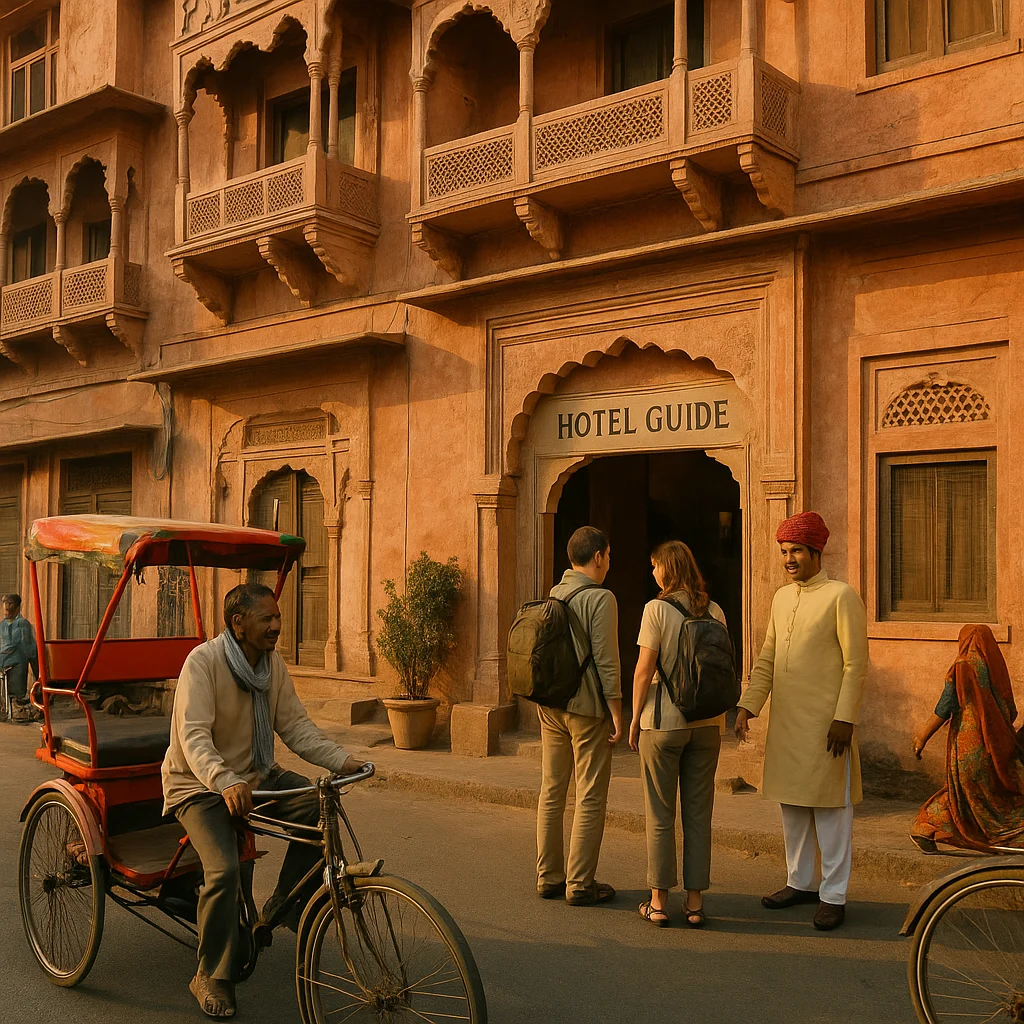
How to Book a Guide for Jaipur Sightseeing by Car and Driver
Booking a guide for your Jaipur sightseeing by car and driver can enhance your experience by providing local insights and historical context. Here are some tips:
Online Platforms: Websites like Viator, GetYourGuide, or Airbnb Experiences offer various guided tours that can be booked in advance.
Local Tour Agencies: Consider contacting local agencies for personalized itineraries. They can arrange knowledgeable guides who specialize in specific interests, such as architecture or cuisine, and coordinate with your car and driver.
Hotel Recommendations: Your hotel can also recommend reliable local guides or services.
Negotiation: If booking on the spot, don’t hesitate to negotiate prices or ask for group rates.
Reviews: Always check reviews and ratings to ensure a quality experience.
When booking a car and driver service for your three-day Jaipur tour from Delhi, confirm that the package includes fuel, driver allowance, parking fees, and state taxes to avoid unexpected costs.
Discover the royal heritage of Jaipur and the wildlife of Ranthambore on a memorable 3-day tour starting and ending in Jaipur. Moreover, this ranthambore trip india suits travelers who have limited days but still want forts and forests in one journey.
This compact itinerary combines Jaipur’s magnificent forts, palaces, and bazaars with the forest landscapes and safari experiences of Ranthambore National Park. In addition, the ranthambore tour price india generally depends on your travel season, vehicle choice, hotel category, and the number of safaris you add.
Itinerary
Day 1: Jaipur Sightseeing
Begin your tour with a guided exploration of Jaipur’s most celebrated landmarks. Visit Amber Fort, Jal Mahal, City Palace, Jantar Mantar, and Hawa Mahal. You will also have time to browse the city’s colorful local markets before an overnight stay in Jaipur.
Day 2: Jaipur to Ranthambore
Travel from Jaipur to Ranthambore and check in at your accommodation. Depending on your arrival time, park schedules, and permit availability, you may join an afternoon safari in Ranthambore National Park. Stay overnight in Ranthambore.
Day 3: Ranthambore Safari and Return to Jaipur
Choose an optional morning wildlife safari, subject to park schedules and permit availability. After breakfast, travel back to Jaipur. The tour concludes with a drop-off at your preferred location in the city.
Best Time to Visit
October to March usually brings pleasant weather for sightseeing in Jaipur and exploring Ranthambore. The warmer months may offer rewarding wildlife-viewing opportunities near water sources, but daytime temperatures can be high. Ranthambore National Park follows seasonal operating schedules, and some zones may close during the monsoon period. Therefore, plan a ranthambore trip india early in peak season, since safari permits fill quickly.
Local Highlights
Explore the hilltop architecture, gateways, and courtyards of Amber Fort.
Photograph Jaipur’s iconic Hawa Mahal and the waterside Jal Mahal.
View royal collections and elegant architecture inside City Palace.
Discover the historic astronomical instruments at Jantar Mantar.
Shop for textiles, handicrafts, jewelry, and traditional souvenirs in Jaipur’s lively bazaars.
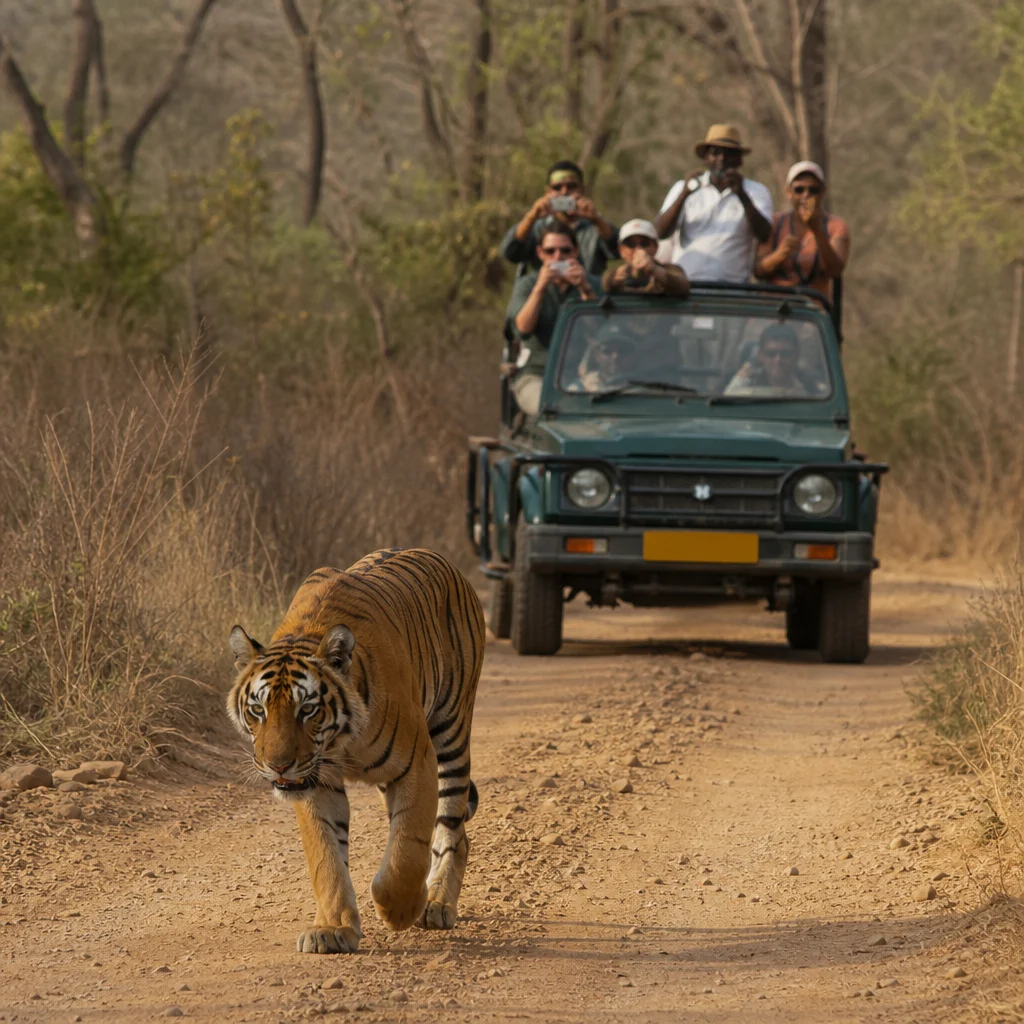
Experience Ranthambore’s forests while looking for deer, monkeys, crocodiles, birds, and other wildlife.
Worth to Visit
This tour is a convenient choice for travelers who want to combine Rajasthan’s royal heritage with a wildlife experience in a short itinerary. Jaipur features impressive forts, palaces, markets, and cultural landmarks, while Ranthambore offers scenic wilderness and exciting safari opportunities. Wildlife encounters vary, and sightings of tigers or other animals cannot be guaranteed. Before booking, confirm the ranthambore tour price india details with your operator so inclusions, safaris, and transfers stay clear.
Here’s a fantastic 1 day Jaipur tour by car & driver, refreshed for the 2026–2027 travel season and designed to show you the best of the Pink City in a single, well-paced day.
Jaipur in a Day: Your Private Car & Driver Tour
Get ready for a full day in Jaipur, also known as the “Pink City.” With your own car and driver, you can move easily between Rajasthan’s most famous forts, palaces and lively bazaars. No haggling with auto drivers. No waiting in the heat. Just a comfortable, air-conditioned car and a local driver who knows the shortcuts.
Moreover, this schedule packs a lot into one day without feeling rushed. It suits first-time visitors, families and anyone with a tight travel window.
Your One-Day Jaipur Adventure
Morning (8:30 AM – 1:00 PM): Forts & Palaces
Your driver picks you up from your Jaipur hotel around 8:30 AM. First, we head just outside the city to the majestic Amber Fort. Arrive early and you’ll beat both the tour buses and the midday glare. The sandstone glows honey-gold at that hour, and the courtyards are still quiet.
Amber Fort: Explore this magnificent hill fort, including the Sheesh Mahal with its thousands of mirror tiles. You can also take an elephant ride or a jeep ride up to the entrance (optional, extra cost). Elephant rides operate in limited morning slots and are regulated, so ask your driver in advance.
Panna Meena ka Kund: A short detour from Amber, this symmetrical stepwell makes a quick and photogenic stop.
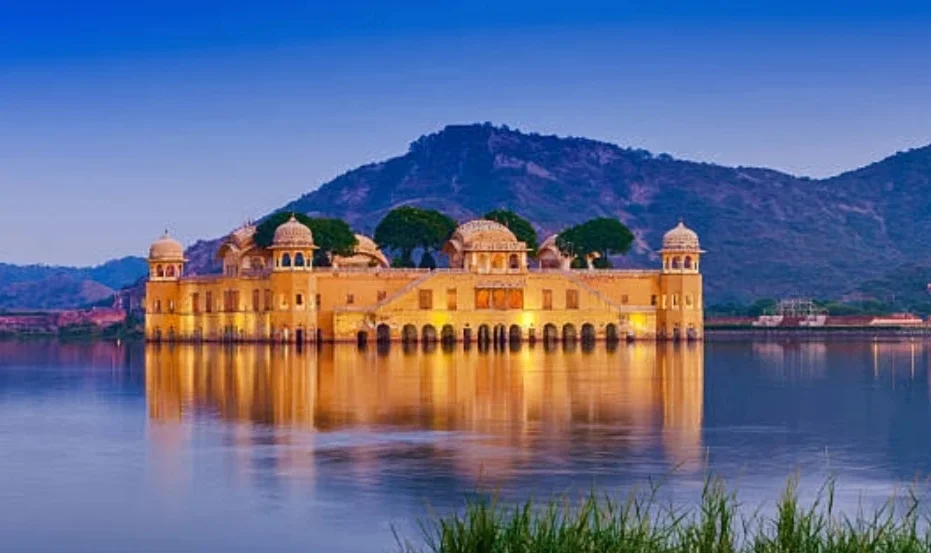
Jal Mahal (Water Palace): On the way back, we pause at the lakeside viewpoint. The palace appears to float on Man Sagar Lake. Entry inside is not permitted, but the view is worth the five minutes.
Next, your driver takes you to a local restaurant for a Rajasthani lunch. Try dal baati churma, gatte ki sabzi or a simple thali. Ask for less chilli if you prefer mild food, since Rajasthani kitchens are generous with the spice.
Afternoon (2:00 PM – 5:30 PM): City Highlights & History
After lunch, we head into the walled old city. Here the landmarks sit close together, so you can see three in a single afternoon.
Hawa Mahal (Palace of Winds): A quick stop at this five-storey facade with its honeycomb of latticed windows. The classic photo is taken from the café rooftops across the road.
City Palace: Step into the royal residence, where Rajasthani and Mughal styles meet. Courtyards, textile galleries and the famous silver urns are all inside.
Jantar Mantar: Right next door sits this 18th-century astronomical observatory, a UNESCO World Heritage Site. The giant sundial still keeps remarkably accurate time. A guide here genuinely helps, otherwise the instruments look like abstract sculpture.
Evening (5:30 PM – 7:00 PM): Shopping & Departure
As the day winds down, the bazaars come alive. Lights switch on, and the old city hums.
Local Markets (Optional): Your driver can drop you at Johari Bazaar for gemstones and jewellery, or Bapu Bazaar for block-printed textiles, mojari shoes and souvenirs. Bargaining is expected and usually good-natured.
Alternative: Prefer sunset over shopping? Swap the bazaar for Nahargarh Fort, which overlooks the whole city as the lights come on.
By 7:00 PM, or whenever suits you, your driver drops you back at your hotel or another location in Jaipur.
Best Time to Take This Tour in 2026 & 2027
October through March remains the sweet spot. Days are warm and clear, evenings are cool, and walking around Amber Fort is comfortable rather than punishing.
October to March: Peak season. Book your car and hotel early for late December and January.
April to June: Very hot, often above 40°C. Start by 7:30 AM instead and keep the afternoon lighter.
July to September: Monsoon showers, green hills around Amber, and fewer crowds.
Festivals Worth Timing Your Visit Around
Jaipur Literature Festival: Usually held over five days in late January, in 2026 and again in 2027. Expect heavy hotel demand across the city that week.
Makar Sankranti (kite festival): Around 14–15 January each year. Rooftops fill with kites and the sky turns into a contest.
Holi and the Elephant Festival events: Early March in 2026 and early March in 2027, based on the Hindu calendar.
Gangaur: March or April, with a colourful procession from the City Palace.
Teej: Monsoon season, usually late July or August.
Diwali: Autumn. Jaipur’s bazaars are famously lit up, and the old city looks spectacular after dark.
Festival dates shift each year with the lunar calendar, so please confirm before you lock in travel plans. Monument timings and ticket rates can also change, so we recheck them close to your travel date.
Practical Tips From the Road
Wear comfortable shoes. Amber Fort involves ramps, steps and uneven stone.
Carry water, sunglasses and a hat between March and October.
Keep cash handy for entry tickets, guides and small purchases, though UPI and cards work in most shops.
Ask about the composite ticket if you plan to see several monuments; it often works out cheaper.
Your driver is not a licensed guide. Hire an approved guide at the monument gate for detailed history.
Want More Than One Day?
One day covers the highlights well. However, Jaipur rewards a slower pace. If you have extra time, consider these options:
Jaipur Tour in 3 Days — add Nahargarh, Jaigarh, Albert Hall and time in the bazaars.
Ready to explore the Pink City? Book the 1 Day Jaipur Tour By Car & Driver, or tell us how you’d like to reshape the day. We’re happy to customise the route, the start time and the stops.
Frequently Asked Questions
What attractions are included in the one-day Jaipur tour?
The itinerary covers Amber Fort, a photo stop at Jal Mahal, Hawa Mahal, City Palace and Jantar Mantar. A short detour to Panna Meena ka Kund and an optional evening visit to Johari Bazaar or Bapu Bazaar can be added.
What time does the Jaipur car tour begin and end?
Hotel pickup is planned for around 8:30 AM, with drop-off at approximately 7:00 PM. During the hot months from April to June, an earlier 7:30 AM start is recommended. The finishing time and drop-off location in Jaipur can be adjusted to your preference.
Are lunch and the ride to Amber Fort included?
The driver will take you to a local restaurant for lunch, but the meal is not stated as included. An elephant ride or jeep ride to Amber Fort’s entrance is optional and costs extra. Monument entry tickets and guide fees are also separate.
When is the best time to do this tour in 2026 or 2027?
October to March offers the most comfortable weather. Late January brings the Jaipur Literature Festival, March brings Holi and Gangaur celebrations, and autumn brings Diwali lights across the old city. Festival dates follow the Hindu calendar and shift each year, so confirm before booking.
Can the one-day Jaipur itinerary be customized?
Yes. You can request changes to the schedule, swap the bazaar visit for a Nahargarh Fort sunset, choose your lunch stop, and arrange drop-off at your hotel, the railway station or the airport.
Delhi rewards the traveller who moves fast but looks closely. You can cover Mughal domes, colonial avenues and a Sikh kitchen serving thousands, all before dinner. A well-planned 2026 Delhi city tour one day makes a single day feel generous instead of rushed.
Start Early in Old Delhi
Begin at 8 am, before the heat and the horns build. Jama Masjid opens onto a sandstone courtyard where pigeons scatter in waves. Afterwards, take a cycle-rickshaw through Chandni Chowk. The lanes smell of cardamom, frying jalebi and old paper.
Carry socks. Shoes come off at the mosque, and the stone gets hot by ten. Modest clothing is expected at religious sites, so pack a scarf.
Mid-Morning: Raj Ghat and Humayun’s Tomb
Next, drive to Raj Ghat, the quiet lawn where Mahatma Gandhi was cremated. Ten minutes is enough. Then head to Humayun’s Tomb, the garden mausoleum that inspired the Taj Mahal. Go around the back for the emptiest photographs.
Afternoon: New Delhi’s Wide Avenues
Lunch near Khan Market, then continue your one day sightseeing through Lutyens’ Delhi. You’ll pass India Gate, Rashtrapati Bhavan and the long sweep of Kartavya Path. Most visitors simply drive past and stop for photos.
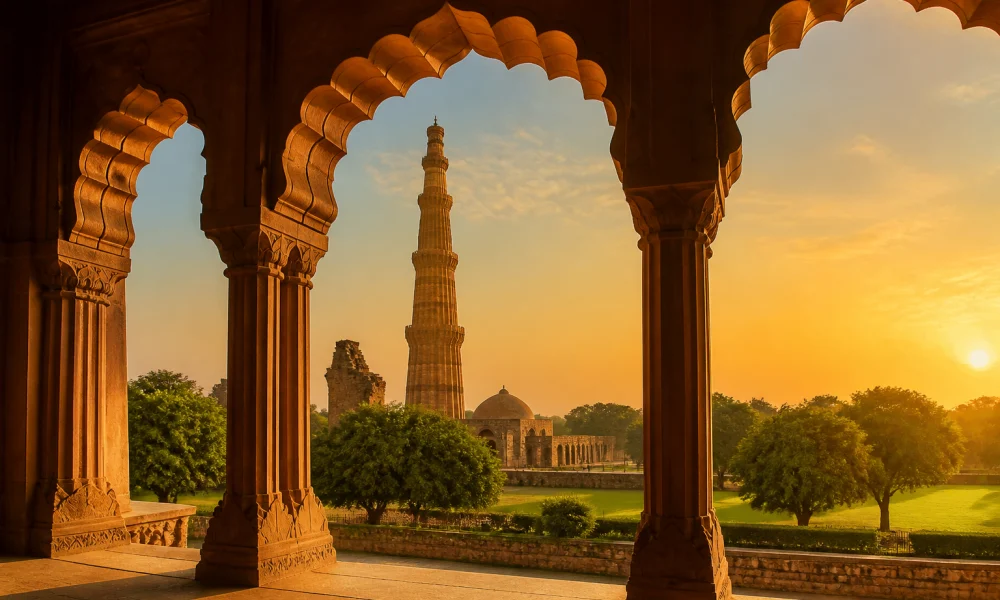
Finish at Qutub Minar as the light turns amber. The carved sandstone tower still holds its edges after eight centuries. If time allows, Lotus Temple offers a calm, silent close.
Practical Tips for a Full Day City Sightseeing Plan
Hire a car with driver. Distances are long and parking is difficult.
Check Monday closures. Several museums shut; monuments generally stay open.
Carry water and a little cash. Small notes help with rickshaws and tickets, even though UPI works almost everywhere now.
Avoid May and June afternoons. October to March is far kinder.
Watch the Republic Day window. Around 26 January each year, central Delhi roads close for rehearsals and the parade, so rework your route.
Budget roughly nine hours for a comfortable full day city sightseeing route. Trying to add more usually means seeing less.
Extend Your Trip Beyond Delhi
Many travellers pair a tour of Delhi with Rajasthan. The drive to the Pink City takes around five to six hours by expressway.
Delhi is loud, layered and unforgettable. Give it one full day, and it will stay with you far longer.
Best Time to Visit Delhi in 2026 and 2027
October to March remains the sweet spot. Mornings turn crisp, the light stays soft, and walking Chandni Chowk feels pleasant rather than punishing. December and January bring fog, so allow buffer time if you have an early flight or train.
Festival timing shifts each year, so plan around it. Diwali falls in early November 2026 and in late October 2027; expect brighter markets, heavier traffic and thicker air afterwards. Holi lands in March both years, and much of the city pauses for the morning.
February deserves a special mention. Gardens across Lutyens’ Delhi bloom, and afternoons stay warm without being harsh. Meanwhile, March still works well until the last week or so.
April onwards, the heat sharpens. By May and June, midday temperatures make open courtyards genuinely difficult. If you must travel then, shift your Delhi city tour to a 7 am start and pause indoors between noon and 3 pm.
Monsoon arrives around late June and lingers through September. Rain softens the dust and thins the crowds, though waterlogged stretches can slow traffic considerably. Carry a light poncho instead of an umbrella; it is easier in rickshaws.
Local Highlights Worth Slowing Down For
Beyond the headline monuments, Delhi hides smaller pleasures that reward five spare minutes.
Gurudwara Bangla Sahib. The community kitchen feeds thousands daily. Volunteers roll chapatis in rhythm, and visitors are welcome to watch or help.
Agrasen ki Baoli. A stepwell tucked behind Connaught Place. Descend a few steps and the traffic noise fades noticeably.
Nizamuddin Basti. Narrow lanes, shrine music on Thursday evenings, and some of the city’s best kebabs.
Dilli Haat. Handicrafts from across India under one roof. Useful if you want gifts without a bazaar bargaining session.
Food is a highlight in itself. Try paranthas in Paranthe Wali Gali, a kulfi near Chawri Bazar, or filter coffee in a South Delhi cafe. Furthermore, street food is safest where turnover is high and the pan is busy.
Transport Options Around the City
A private car with a driver remains the most efficient choice for a single day. You keep your bags secure, skip parking headaches, and move between Old Delhi and Mehrauli without renegotiating fares. Most operators quote by hours and kilometres, so confirm inclusions before you set off.
The Metro, however, is excellent and air-conditioned. The Yellow Line covers Chandni Chowk, Central Secretariat and Qutub Minar-adjacent Saket. Buy a tourist card, or simply pay through the DMRC app, if you plan several hops. Trains run frequently, though peak hours get tight.
For short hops, app-based cabs and autos work well. Insist on the meter or the app fare. Inside Chandni Chowk, though, nothing beats a cycle-rickshaw; cars simply cannot fit.
Finally, plan your route geographically rather than by preference. A sensible Delhi city tour moves north to south, ending near Qutub Minar. That way you avoid crossing the centre twice and gain an extra hour of sightseeing.
FAQs
How many hours do I need for a Delhi city tour in one day?
Budget around nine hours, ideally from 8 am to 5 pm. That gives you Old Delhi in the cool morning, Humayun’s Tomb before lunch, Lutyens’ Delhi in the afternoon, and Qutub Minar in amber light. Moreover, plan the route north to south so you never cross the city centre twice. Trying to squeeze in extra stops usually backfires, because Delhi’s distances and traffic eat time quietly.
What is the best way to get around Delhi for a full day of sightseeing?
A private car with a driver is the most efficient option, since parking is difficult and monuments sit far apart. Confirm hours, kilometres and inclusions before you start. Alternatively, the Metro is clean, air-conditioned and quick, with the Yellow Line linking Chandni Chowk, Central Secretariat and Saket. Inside Chandni Chowk, however, take a cycle-rickshaw; cars simply cannot fit through those lanes. For short hops, use app-based cabs or autos and stick to the meter or app fare.